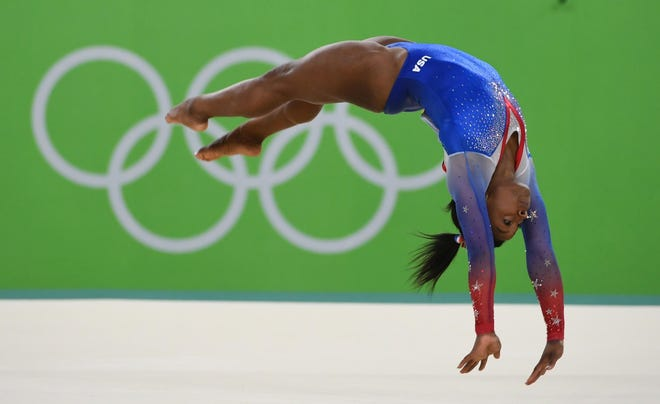
Gymnastics is a cool sport with flips and tricks,
but behind the scenes, it gets tricky to keep up
with. First, whenever gymnasts are competing, they
go in competition order, which is VAULT, BARS, BEAM,
and FLOOR. Even though you may not start on vault,
you still go in that order. Also, scoring can be a
little bit confuzing, but I'll tell you how it works.
If a gymnast does a perfect routine, they will score
a ten, which is the highest score. If you fall off the
apuratus, it takes away five tenths, which will make your
score a 9.5. In levels 9 and 10, you can do harder skills
than what is required, and you can get what is called BONUS.
If you get any deductions, bonus can make your score higher.
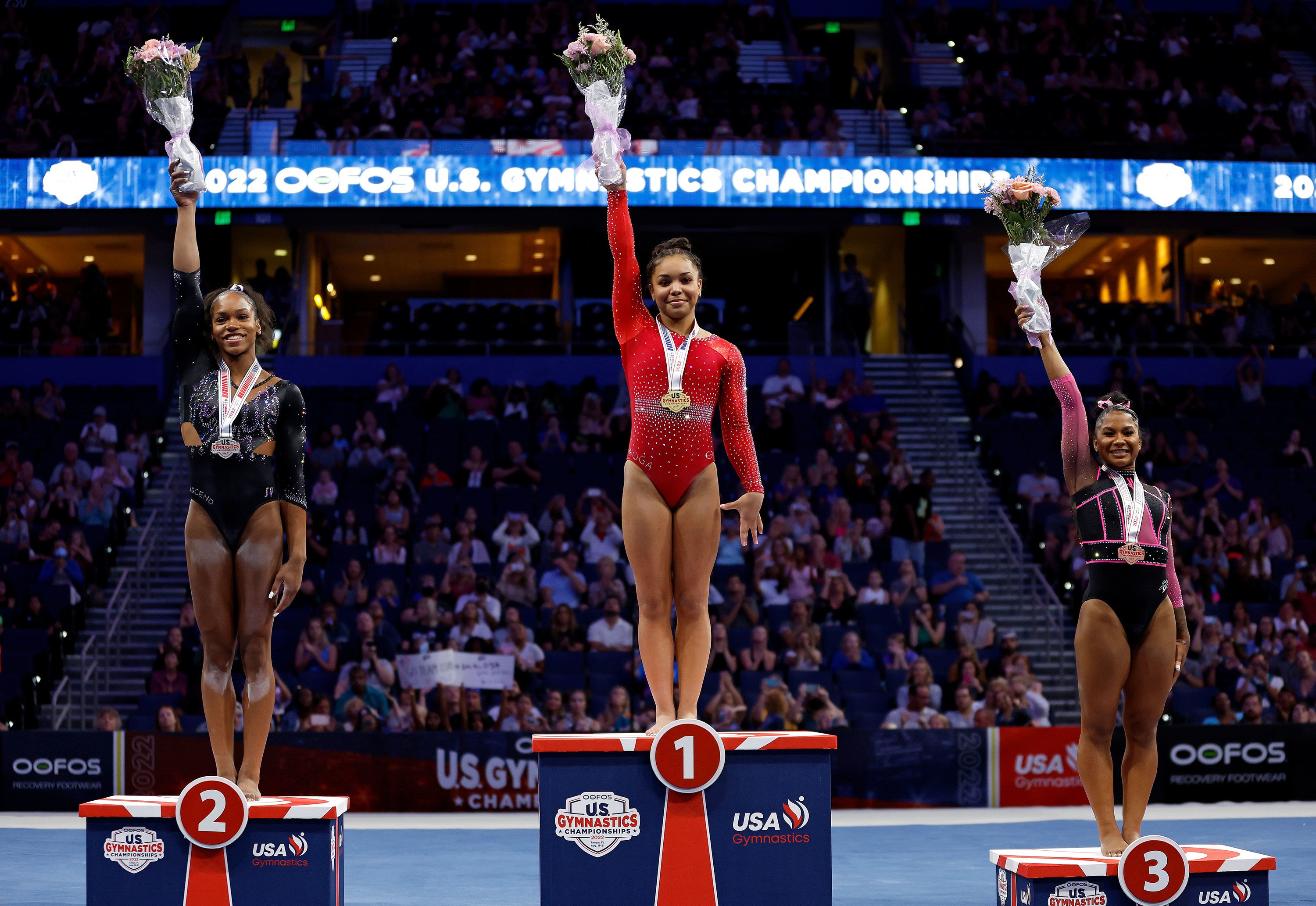

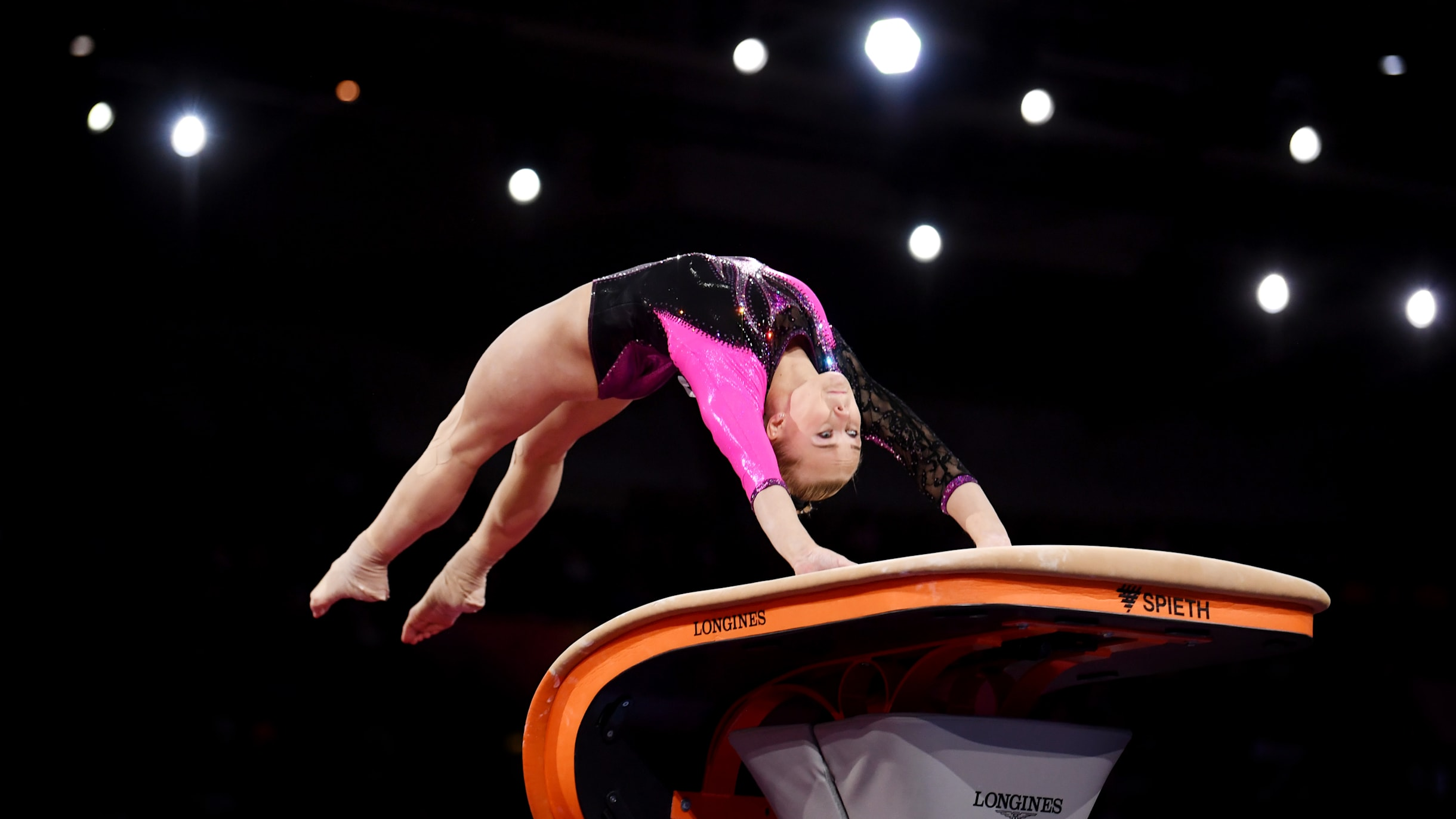
The first event of the Olympic order is Vault, AKA
the hardest event that takes up the most energy.
Vault, if you didn't know, is where you sprint across
a runway that is padded, and hurdle onto a spring board
Depending on what vault you do, you could either hurdle
and do a roundoff before jumping on the board, or you can
just hurdle and jump on the board. After that, you jump
the vault table, either forwards, backwards, or sideways.
Personally, I think that going backwards is the easiest.
Next, the gymnast will push off the table, which is called
BLOCK, and do a flip before landing on a mat. The flip can be in
A tuck, pink or layout. Finally, the gymnast will stick their
landing, click their heels, and present to the judges.

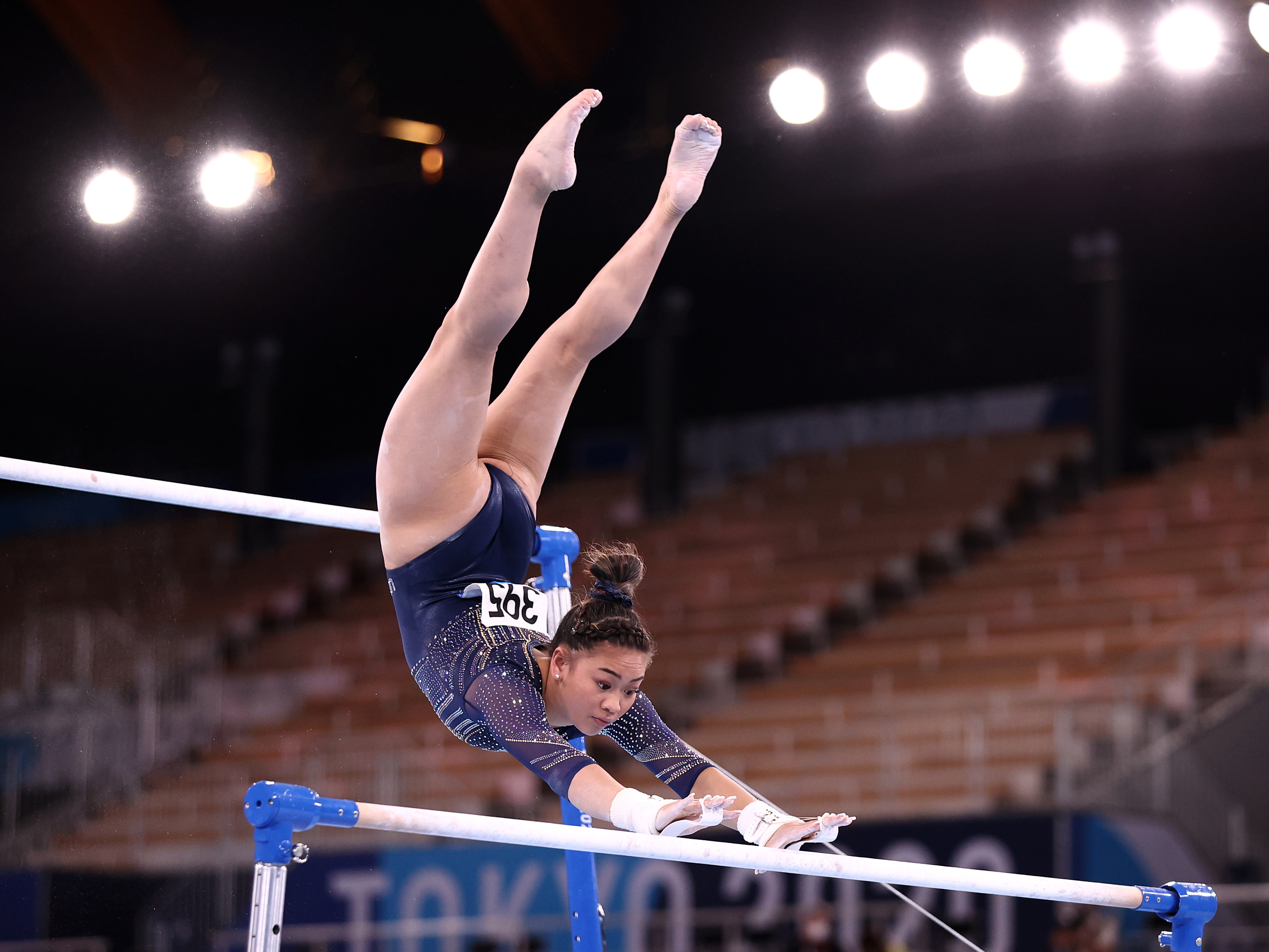
Bars is next in the order, and it is the event that
that you only use your hands and arms to swing around
the bar. For this tricky event, you start on the ground,
and jump to grab the bar. It is most common to start on the
low bar, but some people use a springboard and start by jumping
to the highbar. In a bar routine, it is expected to have a
kip, a release from highbar to lowbar, some circles, maybe some
giants, and a dismount. The most common release is a shoot, which
is where you swing from the highbar, let go, half twist and catch
the lowbar in a handstand. The two most common circles are a freehip
or a toehand, and the most common dismount is a double back flyaway.
After a gymnast lands their dismount, they click their heels, similar
to vault, and presents to the judge.

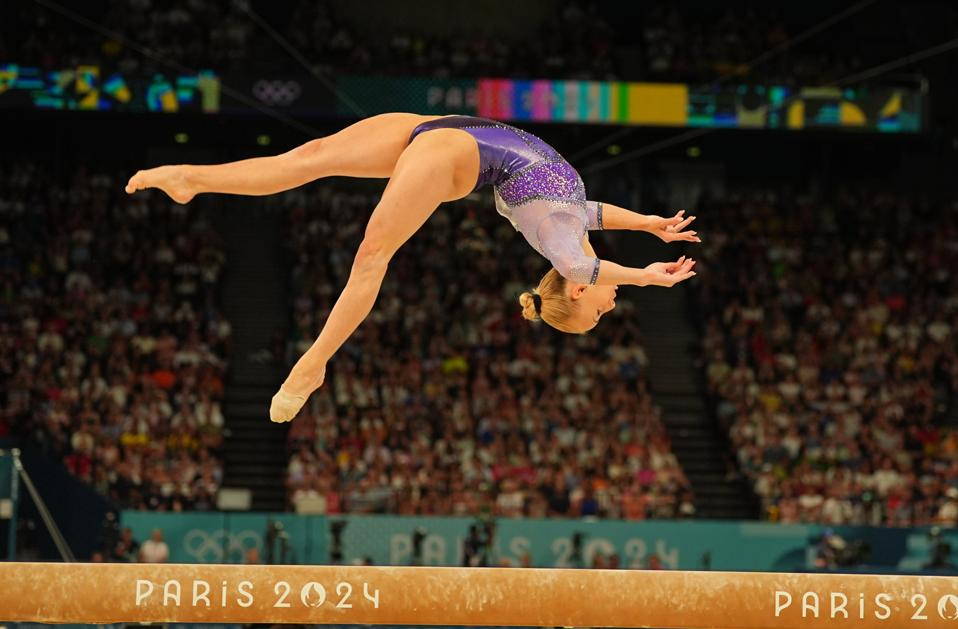
Beam, some may say, is the scariest event because you are high up on a tiny beam. The ballence beam itself is about four feet off the ground and four inches wide. Pretty scary, huh. Gymnasts will mount the beam, usually starting on the side, but others may get up from the front with a springboard. In a beam routine, you need a series, which is usually two consecutive skills, at least one that has flight.(That means that you have air time where you are not touching the beam) You also need an acro skill, which is usually one skill, with flight. A back tuck is a common acro for higher level gymnasts. You also need a 180 split, which could be a leap, a split jump, or a stradle jump. Also, a full turn will be part of a beam routine. lastly, you will dismount off the beam and land on an 8 inch tall mat with a hopefully stuck landing.

Floor is the final event, and also the one where any gymnast can be themselves. For floor, you get to have a song to dance to, and the gymnast gets to pick. The song can be pretty much anything, as long as there aren't any words. In a routine, you need at least two tumbling passes, one traveling forward and the other going backward. Sometimes, a gymnast wont meet the floor requirements, so they need a third tumbling pass. Also, you need a 180 degree leep with a jump connected. You need a turn as well, and most gymnasts will do a one and a half turn, others double. If you are a lower level, you may only do a full. As you can see, there are some things you need for floor.